

I was talking with a Thai friend about complaining and what that might mean in a culture where saving face ranks high among its moral values. She told me that people here don’t usually complain directly. Instead, they find other ways. I laughed. “Other ways?” I asked. “What would that even look like?” and “what is the purpose of difficult conversations?” The question stayed with me long after our conversation ended.
The more I thought about it, the more I realized we weren’t really talking about complaining at all. We were talking about the moral architecture of relationships—about responsibility, understanding, and how different cultures decide what is worth protecting when conflict inevitably arises. It wasn’t simply a different way of handling complaints. It was a different way of understanding the purpose of conflict itself.
I can appreciate why direct complaints are often difficult. We’ve all witnessed conversations driven by emotion rather than understanding. Voices become louder, blame replaces curiosity, and the goal shifts from resolving the problem to proving who is right. In those moments, everyone loses.
** What is a Complaint Actually For? **
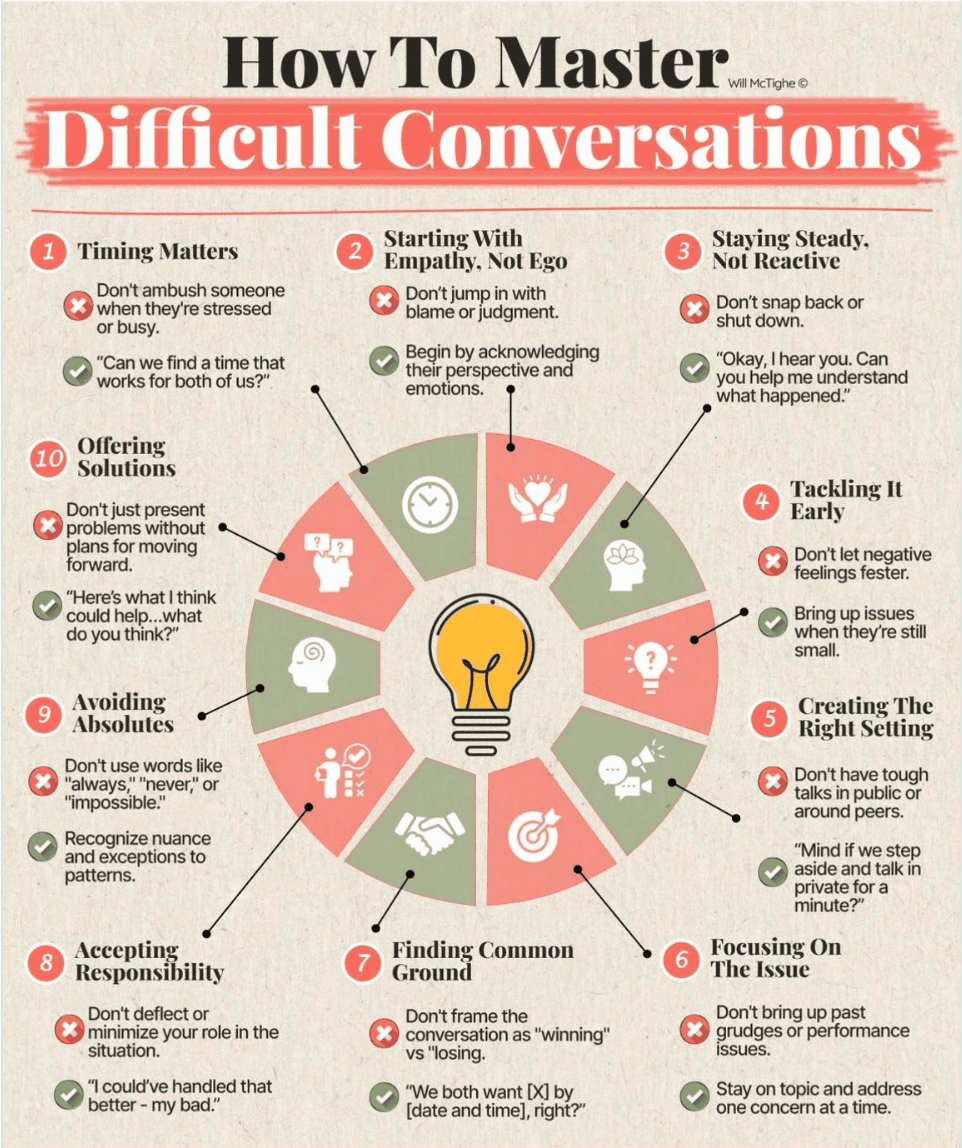
But I also began wondering about the opposite extreme. What happens when concerns are consistently softened, misdirected, or left unspoken? If the person capable of responding never hears them, how does understanding deepen? How does repair become possible? Over time, I realized the issue wasn’t whether people should complain more or complain less. The more interesting question was far simpler:
The most obvious answer is that a complaint expresses dissatisfaction. But the more I thought about it, the more incomplete that answer seemed. At its healthiest, complaining isn’t simply about telling someone they’ve done something wrong. It is an attempt to bring an internal experience into a shared reality. Something happened that disrupted the relationship, and the complaint is an invitation to acknowledge it together.
Perhaps this is really a process of integration—a movement toward wholeness rather than fragmentation. Integration is the process by which our thoughts, emotions, values, and actions become aligned rather than remain divided. Healthy relationships require the same movement. They cannot grow if one person’s experience remains hidden while the other continues unaware. What is felt but never spoken cannot be understood. What is never understood cannot be changed or repaired.
Seen this way, a complaint is not the opposite of harmony. At its best, it is one of the ways genuine harmony is created. Its purpose is not to determine whose reality is correct, but to create a larger reality that can hold both experiences. It is an invitation for two people to move beyond competing perspectives and toward a shared understanding that is richer than either could have arrived at alone. The relationship becomes more important than proving who is right.
This reminds me of Martin Buber’s understanding of relationship in I and Thou. Buber suggested that genuine encounter is not simply an exchange between two separate individuals, but something that emerges between them. Relationship becomes a reality in its own right. Perhaps this is what healthy conflict makes possible. A difficult conversation is not about one person winning and the other losing. It is about creating a larger, shared reality that neither person possessed before the conversation began. When approached with humility, curiosity, and love, conflict ceases to be a threat to the relationship. It becomes one of the primary ways the relationship itself grows toward greater wholeness.
Two Moral Visions
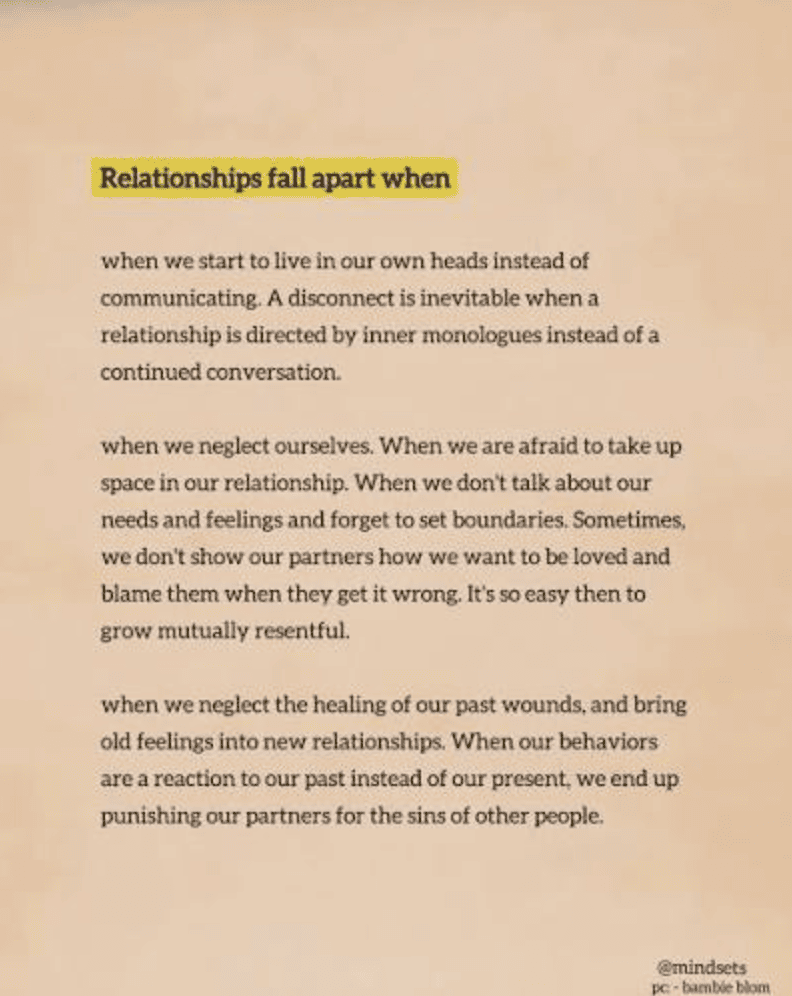
Every society must eventually wrestle with the same question: What should be protected when conflict inevitably arises? There is no universally right answer because each moral vision protects something deeply human. A culture that places harmony at the center seeks to preserve dignity, belonging, and social cohesion. It recognizes that words can wound, that embarrassment can fracture relationships, and that not every truth needs to be spoken immediately. Yet the very virtues that preserve harmony can also make honest feedback more difficult. When complaints are redirected away from the person who can respond, opportunities for understanding, repair, and growth may quietly disappear.
A different moral vision begins somewhere else. Rather than asking how harmony can be preserved, it asks how truth can be honored. Within this framework, direct communication becomes an act of respect because it gives another person the opportunity to understand, respond, and change. Honest feedback becomes one of the ways people learn about one another, relationships mature, and communities improve. Yet this vision also casts its own shadow. When honesty becomes detached from compassion, candor can become criticism, accountability can become humiliation, and the pursuit of truth can damage the very relationships it hopes to strengthen.
Neither moral vision is complete on its own because each protects a different aspect of what it means to be human. A commitment to harmony preserves dignity, belonging, and social cohesion, but without honesty it risks leaving reality fragmented and unresolved. A commitment to honesty reveals reality and creates opportunities for learning and repair, but without harmony it can wound the very relationships it hopes to strengthen.
The Deeper Work of Integration
Integration asks something more difficult of us. It is not choosing honesty over harmony, nor harmony over honesty. It is allowing both to shape one another until a more complete understanding emerges—one capable of holding both experiences without denying either. In that larger reality, truth is no longer experienced as a threat to love, and harmony is no longer dependent on avoiding the truth.
Relationships mature not because conflict is avoided or because honesty wins, but because love has the capacity to integrate experiences that initially seem irreconcilable.
The purpose of difficult conversations is not to determine whose reality is correct, but to create a larger reality capable of holding both experiences. In that shared reality, truth is no longer experienced as a threat to love, and harmony is no longer dependent on avoiding the truth. Love is revealed not by the absence of conflict, but by its capacity to transform conflict into greater wholeness.








Leave a Reply